Nassau County Traffic and Parking Violations Agency: How It Really Works
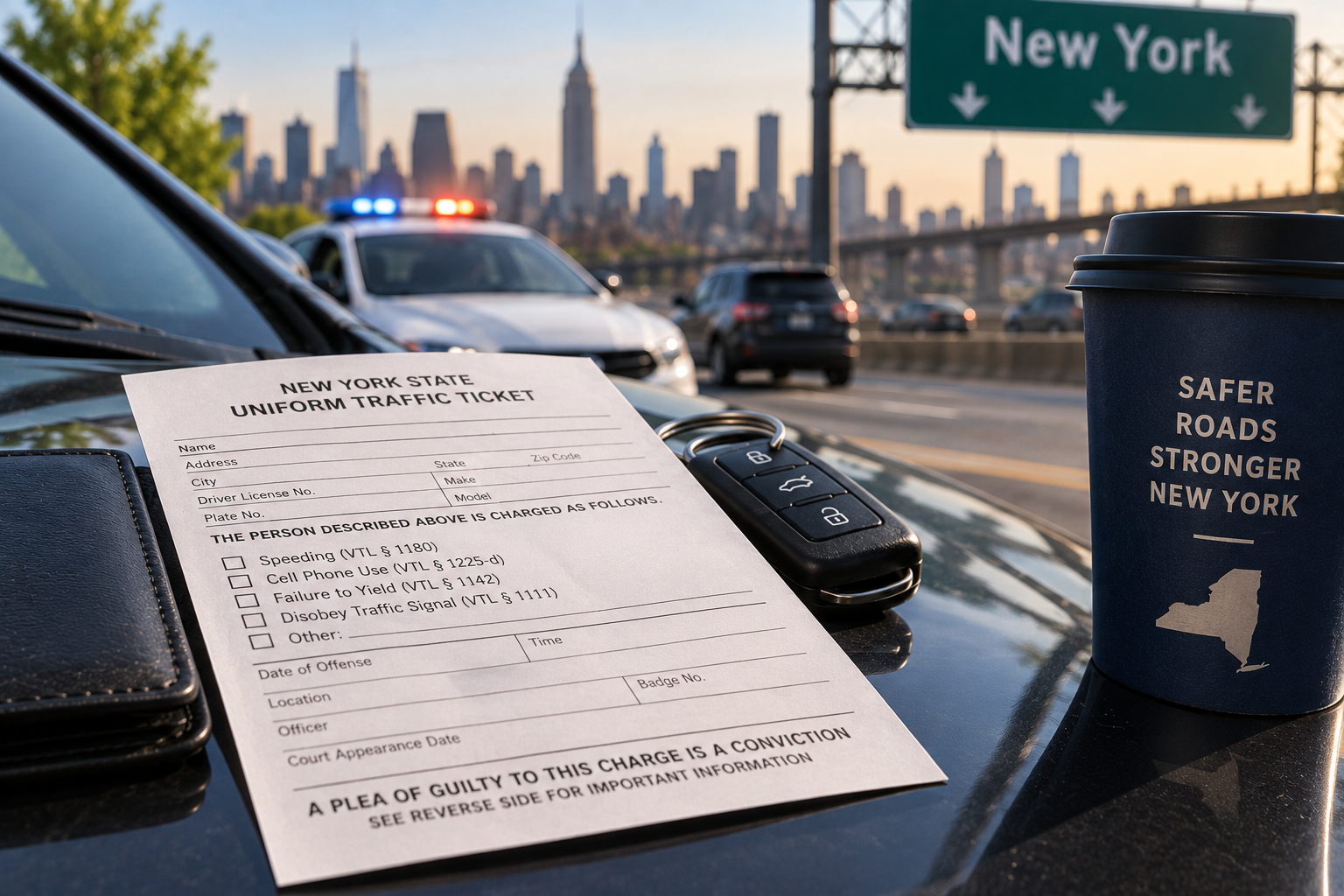
You got pulled over on Hempstead Turnpike, and the ticket tells you to answer at 801 Axinn Avenue in Garden City. That address is the Nassau County Traffic and Parking Violations Agency, which most people call the Nassau County TPVA. It handles a huge share of the traffic tickets written in Nassau County.
The TPVA does not work like traffic court in New York City. In Nassau, you can sit down with a prosecutor and talk about the ticket. There’s also a program that lets some drivers negotiate entirely by mail. But not every ticket qualifies, and not every Nassau ticket even goes to the TPVA.
Our complete guide to New York traffic tickets covers how tickets, points, and courts work across the state. This guide zooms in on Nassau. It walks through how the agency is set up, what happens at a conference, who the Judicial Hearing Officer is, how Plea Bargain by Mail works, and which tickets end up in village or city courts instead.
What Is the Nassau County TPVA?
The TPVA is a department of Nassau County government. Under New York General Municipal Law § 371, it assists the Nassau County District Court with traffic and parking cases. In plain English, it’s where most non-criminal Nassau County traffic tickets get answered, negotiated, and tried.
The tickets are prosecuted by traffic prosecutors. General Municipal Law § 370-a defines a traffic prosecutor as an attorney admitted to practice in New York. Cases are decided by a Judicial Hearing Officer, usually shortened to JHO.
According to the Nassau County TPVA’s official page, walk-in appearances run on weekdays from 9:00 to 11:30 a.m. and 1:00 to 3:30 p.m. The agency also holds night court sessions from 5:30 to 7:30 p.m. on select dates. Everyone entering needs a government-issued photo ID and goes through security screening.
Does Your Nassau County Traffic Ticket Go to the TPVA or a Village Court?
This trips up a lot of Long Island drivers. Nassau County is a patchwork of towns, unincorporated hamlets, incorporated villages, and two cities. Where your ticket was written can decide which courthouse hears it.
Nassau’s two cities, Glen Cove and Long Beach, run their own city courts. The Long Beach City Court, for example, handles moving and traffic violations issued inside the city. Many incorporated villages also run their own justice courts. The Village of Lawrence Justice Court hears Vehicle and Traffic Law tickets that Nassau County police write inside the village. The Village of Roslyn Justice Court does the same for tickets from both Nassau County police and State Police within its borders.
Say Kevin gets a stop sign ticket on a side street in the Village of Lawrence. His neighbor Priya gets the exact same ticket a mile away in Inwood, which is an unincorporated hamlet in the Town of Hempstead. Same police department, same violation, different courts. Kevin’s case goes to Lawrence’s village court, and Priya’s goes to the TPVA in Garden City.
Key takeaway: The ticket itself names the court where it’s returnable. Look at the court name and address printed on it. Village and city courts set many of their own procedures, and the TPVA’s Plea Bargain by Mail program is a TPVA program. It doesn’t automatically carry over to a village court.
What the TPVA Can’t Hear
The TPVA only handles traffic infractions, parking tickets, and certain camera violations. Section 371 spells out what’s off the table. The agency has no jurisdiction over driving while ability impaired under Vehicle and Traffic Law § 1192, subdivision one, or the commercial-driver alcohol offense in subdivision five. It also can’t hear any misdemeanor or felony.
There’s a catch that surprises people. If a regular traffic ticket comes from the same incident as one of those excluded charges, the TPVA can’t hear that ticket either. So if Tom gets a DWAI and an unsafe lane change in the same stop in Uniondale, both charges stay with the criminal side of the court system instead of the TPVA.
Section 371 also limits who can simply pay and plead at the agency. A driver found guilty of three or more violations other than parking in the previous twelve months must appear in court on a later ticket instead of answering at the agency window.
Your Options After a Nassau County Traffic Ticket
The TPVA’s Traffic Violations page lays out several paths. Which one fits depends on the ticket and the driver’s record.
Pleading Guilty and Paying
Many tickets can be resolved by pleading guilty and paying online, though some require a court appearance. The county itself points drivers to the New York DMV Driver Point System before they plead, because a guilty plea is final. A conviction for the original charge usually brings DMV points and can affect insurance.
Pleading Not Guilty
A not guilty plea by mail generally leads the TPVA to schedule a conference and mail a notice with the date. A driver can also show up in person before the return date on the ticket, as long as the ticket is already in the TPVA’s system.
Dismissal by Mail for Paperwork Tickets
Some tickets are about paperwork, like driving without insurance, without a valid license, or with an unregistered car. If the driver actually had valid coverage, a valid license, or a valid registration on the date of the ticket, the TPVA accepts proof by mail. The insurance proof rules are strict. The county won’t accept an insurance card. It wants an original letter from the insurance company itself, not the agent, with specific details like the policy dates and the vehicle’s VIN.
Certain equipment tickets, the “fix-it” kind, can also be dismissed if the driver makes the repair on time and mails in a proof of correction form before the court date.
Out of Area Waiver
A driver who doesn’t live on Long Island or in the five boroughs can ask for an Out of Area Waiver of Appearance by letter. If a prosecutor grants it, a settlement offer may come by phone, mail, or email.
The Conference With the Prosecutor
The conference is the heart of the Nassau system. You meet with a TPVA traffic prosecutor, who goes over the options for resolving the ticket. According to the county, this usually involves a reduction in fines, charges, or both in exchange for a guilty plea. The county is careful to say “usually, but not always.”
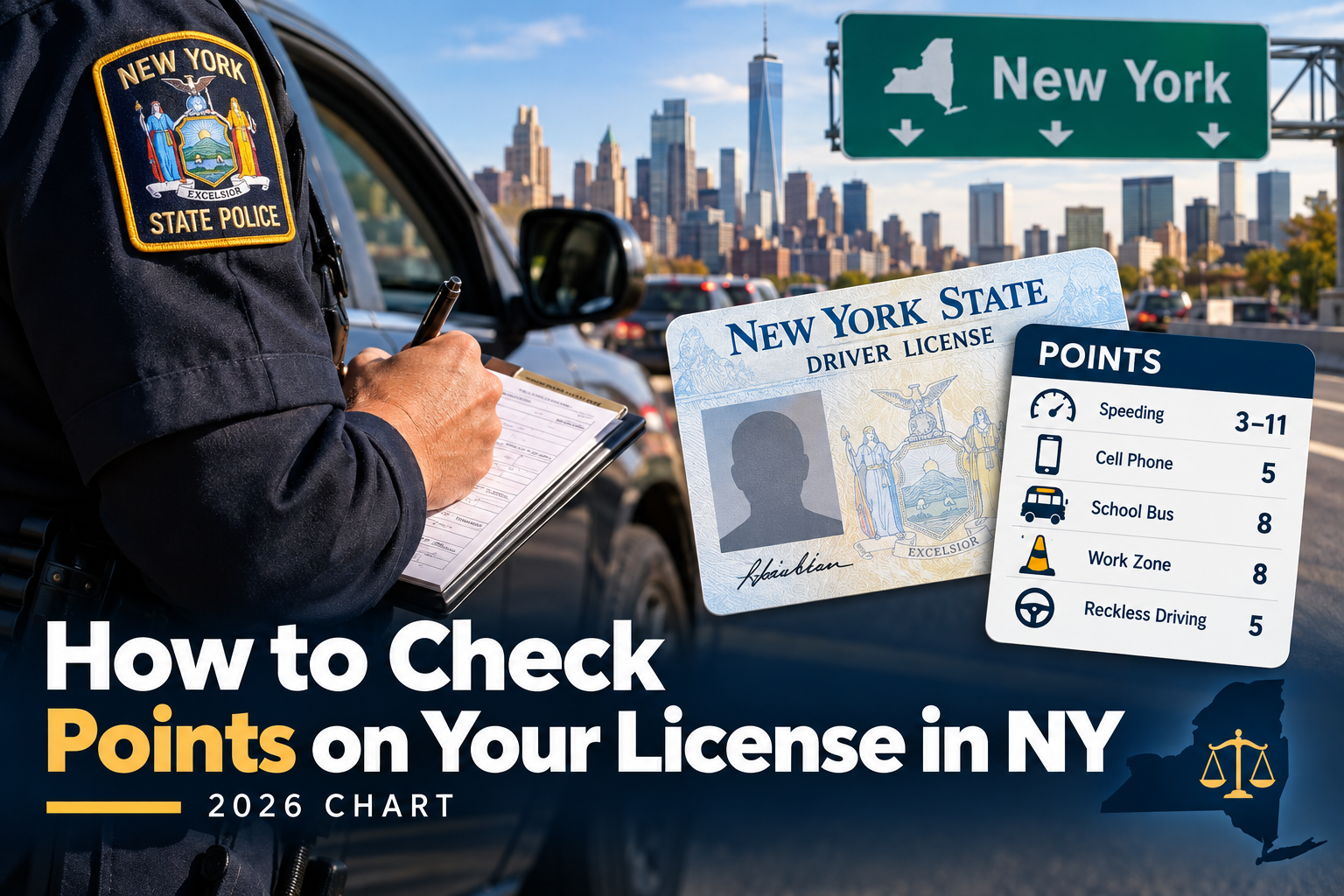
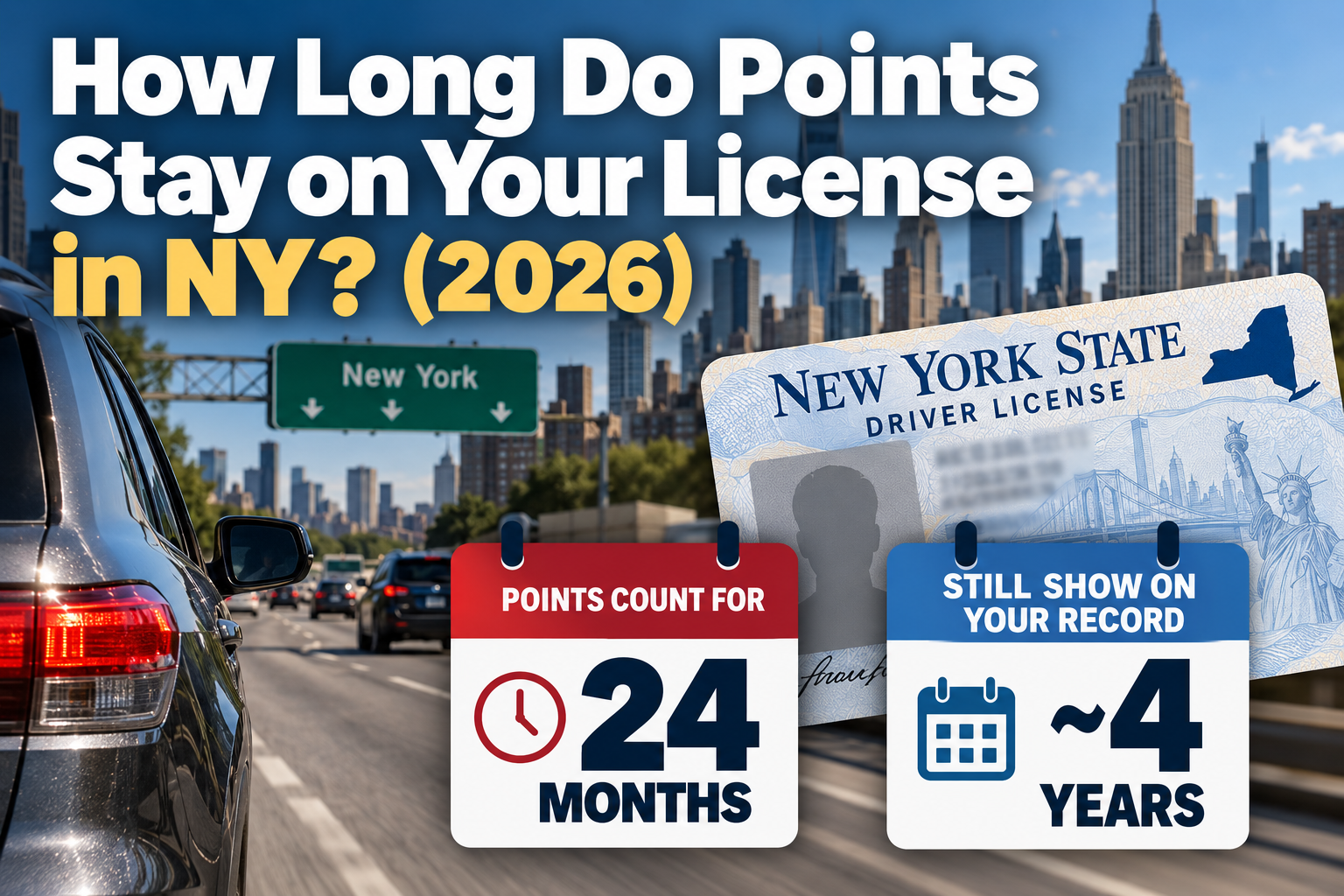
A reduced charge often means fewer points or none at all, depending on what the new charge is. That’s why many drivers care more about the charge than the fine. Points stay on a New York driving record for a set period, and enough of them can lead to a license suspension.
If you and the prosecutor agree, the deal goes to a JHO for approval. If you can’t agree, the TPVA schedules a trial for a later date and mails you the notice.
Who Is the Judicial Hearing Officer?
The Judicial Hearing Officer is the decision-maker at the TPVA. The prosecutor can make an offer, but the JHO has the final say on whether it’s accepted. That’s true for deals made in person and deals made through Plea Bargain by Mail.
The JHO also runs traffic trials and issues the verdict. JHOs review requests to postpone a trial and applications for fine payment plans. They even decide whether someone is dressed appropriately for court. The TPVA’s posted rules say a JHO can adjourn a case if a person shows up in clothing that’s too revealing.
On payment plans, the TPVA notes a change in New York law that allows fines, fees, and surcharges on traffic cases to be paid in installments with no extra charges or interest. The application goes to the JHO and requires a financial disclosure form and a court appearance. Payment plans aren’t available for red light camera or parking tickets.
How Plea Bargain by Mail Works in Nassau County
The TPVA’s Plea Bargain by Mail program lets some drivers resolve open traffic and parking tickets without coming to Garden City. It only applies to tickets that haven’t already been resolved. If you were convicted at trial or already pleaded guilty, even to a reduced charge, the program is closed to that ticket.
Here’s how the county describes the process:
- For eligible violations, an application is sent automatically once the TPVA receives a not guilty plea. The driver mails the application back, listing the tickets for which they’d like an offer.
- A traffic prosecutor reviews it. That review can include the driver’s DMV driving abstract, TPVA court records, and how serious the violations are.
- The prosecutor mails back either an offer or a rejection.
- A driver who turns down the offer marks the box and returns the form. The county says there’s no penalty for rejecting, and no extra fines or fees are added during the review. A conference or trial date gets scheduled instead.
- A driver who accepts signs the form and sends payment.
- The deal then goes to a JHO. If the JHO approves, the court processes it. If the JHO rejects it, the payment is returned and a conference or trial date is set.
One rule matters a lot. Every ticket from the same stop has to be handled together. You can’t take a deal on one ticket and leave the others open. The offer covers the whole incident.
Who’s Excluded From Plea Bargain by Mail
The program doesn’t cover photo enforcement violations like red light camera tickets. The TPVA also lists these violations as ineligible:
- A second or subsequent charge of any offense within an 18-month period
- Any speeding offense
- Plates not issued by the Commissioner, or plates of more than one state
- Improper plates
- Leaving the scene of an incident
- Failure of an emergency vehicle operator to use reasonable care
- Passing a stopped school bus
- Driving under or around railroad crossing gates
- Failing to yield the right of way to an emergency vehicle
Speeding is the big one. Speeding tickets are some of the most common tickets in Nassau County, and none of them qualify for Plea Bargain by Mail. A speeding case at the TPVA generally runs through an in-person conference, a trial, or a guilty plea.
If There’s No Deal: The Nassau TPVA Trial
A trial gets scheduled when the conference doesn’t produce a settlement. The officer who wrote the ticket shows up and testifies under oath about why it was issued. The driver can question the officer. The driver can also choose to testify, but anyone who does will have to answer the prosecutor’s questions too. At the end, the JHO finds the driver guilty and sets fines and fees, or not guilty with no fines or fees.
Postponing a trial isn’t casual. The TPVA requires a notarized letter sent by certified mail, along with a copy of the trial notice and documents backing up the conflict, like airline tickets. A JHO reviews it, and it isn’t automatically granted. If it is, the new date is called a “final” trial date and won’t be moved again.
$75 The amount the TPVA adds to the fines and fees on each ticket when a driver fails to appear for trial. Missing trial also results in a default conviction.
Ignoring a ticket at any stage has its own consequences. The county warns that unresolved tickets can be sent to a collection agency and can lead to a suspended or revoked license. The TPVA’s home page adds that unanswered and unpaid violations can eventually lead to the registered owner’s vehicle being booted and towed.
Red Light Camera Tickets in Nassau County Are Different
Nassau’s red light cameras run under Vehicle and Traffic Law § 1111-b, a section written specifically for Nassau County. A camera notice isn’t a ticket against the driver. It’s a notice of liability against the vehicle’s owner.
That difference matters. Under the statute, a camera violation isn’t treated as a conviction, doesn’t go on the owner’s driving record, and can’t be used for insurance purposes. The statute caps the owner’s liability at $50 per violation, with up to $25 more for failing to respond on time. The statute also recognizes certain defenses, like a car that was reported stolen before the violation, or a traffic signal that was malfunctioning.
Here’s a quick example. Say Marisol’s 2019 Toyota Camry gets flashed by a camera at an intersection in Hicksville, but her brother was driving it. Under section 1111-b, the notice goes to Marisol as the owner. It doesn’t put points on her license or her brother’s.
How Nassau County Compares to New York City’s TVB
Drivers who live in Queens but commute through Nassau sometimes assume the two systems match. They don’t. Tickets written in the five boroughs go to the DMV’s Traffic Violations Bureau, where a DMV administrative law judge hears the case. The TVB is widely known for not allowing plea bargaining, so a not guilty plea there generally leads straight to a hearing.
Nassau’s system is built around negotiation. A prosecutor, a conference, and a JHO who approves deals all exist so that most tickets can be settled without a full trial. That’s one of the biggest differences between getting a ticket on the Cross Island Parkway in Queens and getting one on Hempstead Turnpike in East Meadow.
Next door, Suffolk County runs its own Traffic and Parking Violations Agency under the same section 371. The two agencies follow the same state law but run separate programs, so a Suffolk ticket follows Suffolk’s procedures.
A Walk-Through Example in East Meadow
Say Danielle drives a 2017 Honda CR-V and lives in Levittown. One morning a Nassau County police officer stops her on a side street off Hempstead Turnpike in East Meadow, an unincorporated area. She gets two tickets. One is for rolling through a stop sign. The other is for a broken taillight.
Both tickets are returnable to the TPVA. Danielle has a clean record, so neither ticket is a repeat charge. Neither is on the excluded list. She mails in a not guilty plea, and an application for Plea Bargain by Mail arrives. She lists both tickets, because the program requires every ticket from the same stop to be handled together.
A prosecutor checks her DMV abstract and mails back an offer. Hypothetically, it might reduce the stop sign charge to a lower-point offense and resolve the taillight ticket as part of the same package. If Danielle signs and pays, the deal still has to clear a JHO. If the JHO says no, her money comes back and she gets a conference date.
Now change one fact. Say Danielle’s ticket was for going 52 in a 30 instead. That’s a speeding offense, so Plea Bargain by Mail is off the table. Her case would run through an in-person conference at Axinn Avenue or a night court session instead.
Nassau County TPVA FAQs
Can a Nassau County traffic ticket be reduced without going to court?
Sometimes. Plea Bargain by Mail lets eligible drivers receive and accept an offer through the mail. Paperwork tickets for insurance, license, and registration can be dismissed by mail with the right proof, and some equipment tickets can be dismissed with proof of repair. Speeding and the other excluded violations generally can’t be negotiated by mail.
Who is the prosecutor at the Nassau County Traffic and Parking Violations Agency?
Tickets are prosecuted by TPVA traffic prosecutors, who under state law must be attorneys admitted in New York. They make offers, but a Judicial Hearing Officer decides whether a deal is approved.
Does rejecting a Plea Bargain by Mail offer hurt you?
According to the county, no. There’s no adverse effect for rejecting an offer, and no extra fines or fees are added during the review. The case simply gets scheduled for a conference or trial.
Why did my ticket go to a village court instead of the TPVA?
Many incorporated villages in Nassau County have their own justice courts, and Glen Cove and Long Beach have city courts. If the ticket was written inside one of those boundaries, the ticket may be returnable there. The court name on the ticket is the answer.
Do Nassau County red light camera tickets add points?
No. Under section 1111-b, a camera violation isn’t a conviction, doesn’t go on the driving record, and can’t be used for insurance purposes. It’s a fine against the vehicle’s owner.
The Bottom Line
The Nassau County TPVA handles most non-criminal traffic tickets in the county, and it’s built around negotiation with a prosecutor and approval by a Judicial Hearing Officer. Plea Bargain by Mail covers many tickets, but speeding and several serious violations are excluded. And tickets written inside Glen Cove, Long Beach, or a village with its own court may never reach Garden City at all.
For how points work once a ticket is resolved, see our breakdown of how long points stay on your license in New York. For everything else statewide, our New York traffic tickets guide is the place to start.
This article is for educational purposes only and is not legal advice. Reading it does not create an attorney-client relationship. For advice on your specific situation, consult a licensed attorney in your state.