Personal Injury
An injury claim is a race against deadlines and a fight over proof. Here is how the six most common personal injury cases work, what you have to show to win, and the rules that change across New York, New Jersey, Connecticut, and Florida.
Personal Injury by Case Type
Every case is built differently, pick yoursCar Accident ›
Careless Driving Causes HarmSpeeding, texting, and impaired driving can leave the at-fault driver responsible for your injuries and losses.
Click to read moreSlip-and-Fall ›
Unsafe Property ConditionsOwners who ignore wet floors, broken stairs, or icy walkways can be responsible when someone gets hurt.
Click to read moreMedical Malpractice ›
When Care Falls ShortMissed diagnoses and surgical or medication errors can support a claim when they cause real harm.
Click to read moreSexual Abuse ›
Holding Abusers AccountableSurvivors may have claims against the abuser and the institutions that failed to protect them.
Click to read moreConstruction Accident ›
Dangerous Job SitesFalls, falling objects, and unsafe equipment can lead to claims against property owners and contractors.
Click to read moreProducts Liability ›
Defective ProductsMakers and sellers can be responsible when a badly made or poorly labeled product causes injury.
Click to read moreHow Each Case Type Works
Why you may have a claimCar Accident
If another driver was careless, whether by speeding, texting, running a light, or driving impaired, and that carelessness caused your injuries, you may have a claim. A claim can help cover medical bills, lost income, and pain and suffering. Drivers are not the only ones who can bring one: passengers, pedestrians, and cyclists hurt in a crash may have claims too, sometimes against a vehicle owner, an employer, or a company responsible for a defective part or a dangerous road.
- The Core Question
- Who was careless?
- and did it cause your injuries
- Who Can Bring a Claim
- Drivers, passengers, pedestrians, cyclists
Slip-and-Fall
Property owners and businesses have a duty to keep their premises reasonably safe. If you were hurt because of a hazard such as a wet floor, broken stairs, poor lighting, ice, or an uneven walkway, and the owner knew or should have known about it but failed to fix it or warn you, you may have a claim. These cases come up in stores, restaurants, apartment buildings, parking lots, and public sidewalks.
- The Core Question
- Did they know?
- or should they have known about the hazard
- Common Hazards
- Wet floors, ice, broken stairs, poor lighting
Medical Malpractice
Doctors, nurses, hospitals, and other providers are expected to meet the accepted standard of care. If a provider missed or delayed a diagnosis, made a surgical or medication error, or failed to properly monitor or treat you, and that mistake caused harm, you may have a claim. A bad outcome on its own is not malpractice. The question is whether the care fell below what a reasonable provider would have done and whether that failure made you worse off.
- The Core Question
- Standard of care
- was it met, and did the failure cause harm
- Common Errors
- Missed diagnoses, surgical and medication mistakes
Sexual Abuse
Survivors of sexual abuse may have a claim against the person who abused them and, often, against the institution that allowed it to happen. Schools, religious organizations, youth programs, employers, and care facilities can be held responsible when they failed to screen, supervise, or remove someone they knew or should have known was a danger. These claims seek compensation for the lasting emotional, psychological, and physical harm that abuse causes.
- Who May Be Responsible
- The institution
- as well as the abuser
- Common Settings
- Schools, churches, youth programs, care facilities
Construction Accident
Construction sites are among the most dangerous places to work. If you were hurt in a fall from a ladder or scaffold, struck by a falling object, injured by heavy equipment, or harmed by an unsafe site condition, you may have a claim beyond workers’ compensation. Property owners, general contractors, subcontractors, and equipment manufacturers can be responsible when they fail to provide proper safety equipment or keep the site safe.
- Who May Be Responsible
- Owners & contractors
- not just your employer
- Common Accidents
- Falls, falling objects, equipment injuries
Products Liability
Companies that design, make, and sell products are responsible for making them reasonably safe. If you were hurt by a product that was badly made, dangerously designed, or sold without adequate warnings or instructions, you may have a claim against the manufacturer, distributor, or seller. These cases can involve anything from vehicles and power tools to medical devices, medications, and everyday household goods.
- Types of Defect
- 3
- manufacturing, design, warning
- Who May Be Responsible
- Manufacturers, distributors, sellers
Latest in Personal Injury
-
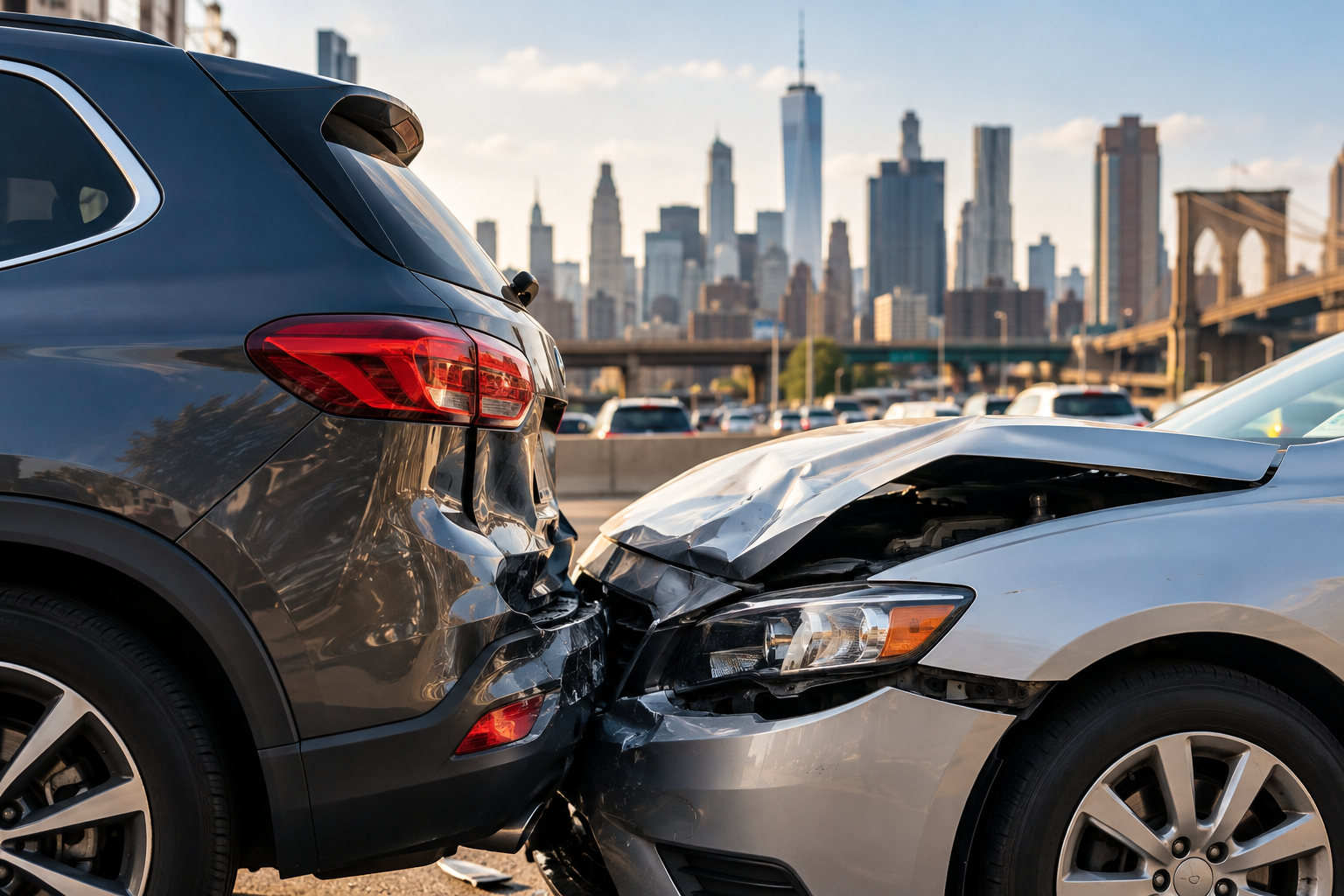
New York Car Accident Lawsuits: The 2026 Guide
New York Car Accident Lawsuits: The 2026 Guide If you were hurt in a New York car accident, the rules…
-
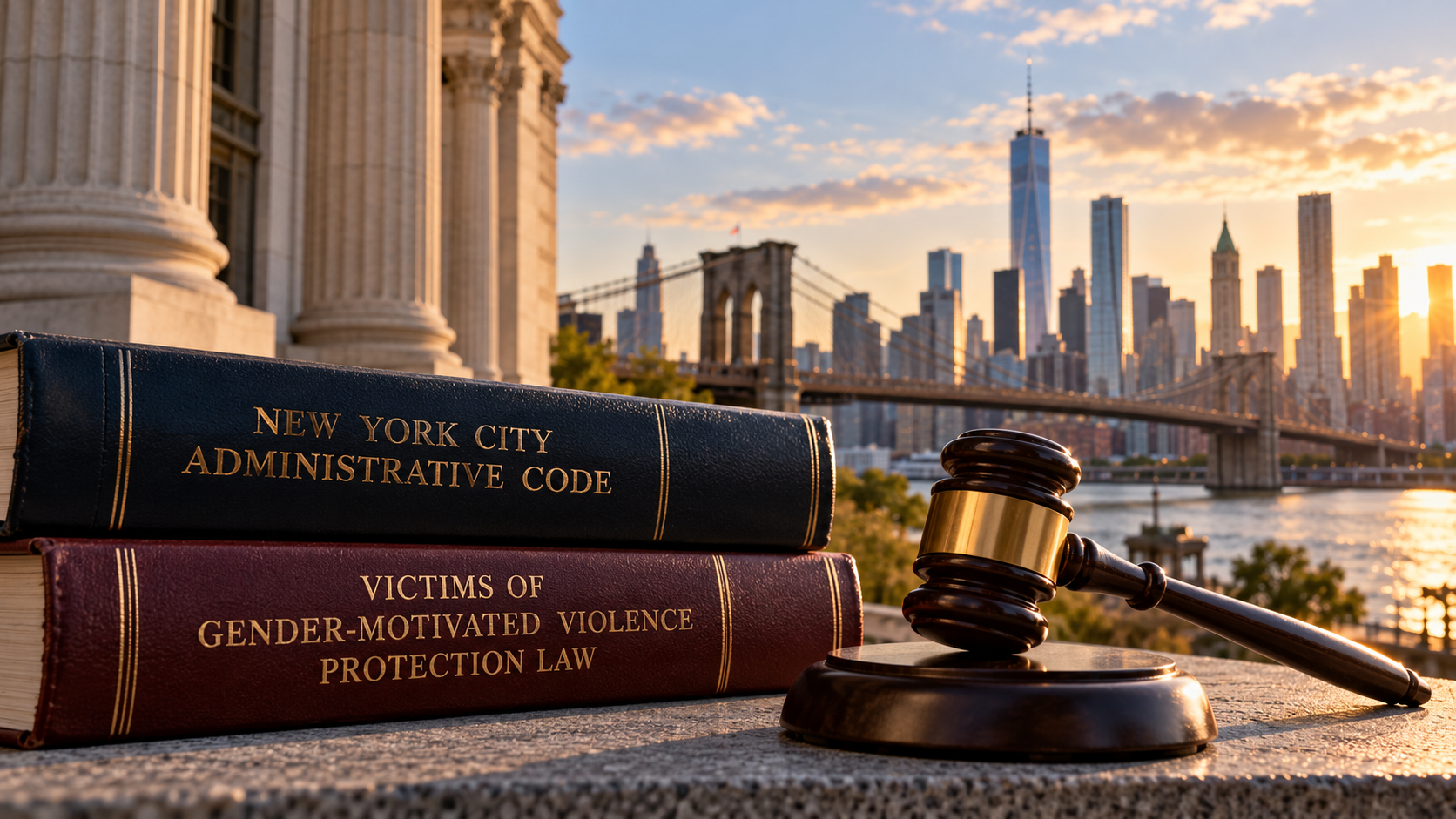
NYC Gender-Motivated Violence Act: How the GMVA Works
NYC Gender-Motivated Violence Act: How the GMVA Works If you’ve been searching for a sexual abuse lawyer in NYC, or…
-

Sexual Assault Lawsuits in New York: The 2026 Civil Guide
Sexual Assault Lawsuits in New York: The 2026 Civil Guide Most people know that sexual assault is a crime. Fewer…
Most Read
Guides for each case type are on the way.
Know your rights, one email at a time.
Plain-language explainers on personal injury law, straight to your inbox each week.