Consumer Protection
A set of federal and state laws that exist for one reason: to hold companies accountable when they call you illegally, sell you a defective vehicle, report your credit wrongly, or harass you over a debt. Most of these claims cost you nothing to pursue, and the law often makes the company pay the fees.
Explore Consumer Protection
Five areas we coverTCPA ›
Robocalls & Spam TextsIllegal auto-dialed calls and marketing texts carry damages per message.
Click to read moreLemon Law ›
Defective VehiclesWhen repeated repairs fail, you may be owed a buyback or replacement.
Click to read moreFCRA ›
Credit Report ErrorsInaccurate reporting that costs you a loan, a job, or an apartment.
Click to read moreFDCPA ›
Debt Collector AbuseThreats, repeated calls, and false statements from collectors.
Click to read moreDeceased Reporting ›
Wrongfully Marked DeadA deceased flag on your credit file freezes your financial life overnight.
Click to read moreWhat Each Area Covers
TCPA
Restricts auto-dialed calls, prerecorded messages, and marketing texts sent to your phone without consent. Every individual call or text can count as its own violation, which is why a few weeks of daily robocalls can add up quickly. Consent can also be revoked at any time, and contact after that point is its own violation.
- Typical Damages
- $500 to $1,500
- per call or text
- Time to File
- 4 years
Lemon Law
Covers new, and in some states used or leased, vehicles with a substantial defect the manufacturer cannot repair after a reasonable number of attempts. The remedy is usually a buyback or a comparable replacement vehicle. Because these are state statutes, the repair-attempt count, mileage limits, and deadlines vary depending on where you bought the car.
- Typical Remedy
- Refund or replacement
- Key Trigger
- Repeated failed repairs
FCRA
Governs what credit bureaus and the companies that report to them are allowed to say about you. Accounts that aren’t yours, balances already paid, and debts past the reporting window all belong in dispute. Once you dispute in writing, the bureau has a limited window to investigate and correct or delete what it cannot verify.
- Investigation Window
- About 30 days
- Common Harm
- Denied credit, jobs, housing
FDCPA
Sets the rules third-party debt collectors must follow. It bars threats, calls at unreasonable hours, false claims about what you owe or what happens if you don’t pay, and contacting your employer or family about the debt. You can also demand written validation of a debt, which pauses collection until the company proves it.
- Your Strongest Tool
- Debt validation letter
- Applies To
- Third-party collectors
Deceased Reporting
One of the most disruptive credit reporting errors there is: a living person is marked deceased, usually after a mix-up with a joint account, a shared name, or a lender’s bad data feed. Cards stop working, applications are denied without explanation, and ordinary credit monitoring often won’t show why. Correcting it takes a documented dispute with proof of identity sent to each bureau reporting the error.
- Usual Cause
- Mixed or mismatched files
- First Step
- Written dispute to all three bureaus
Latest in Consumer Protection
-
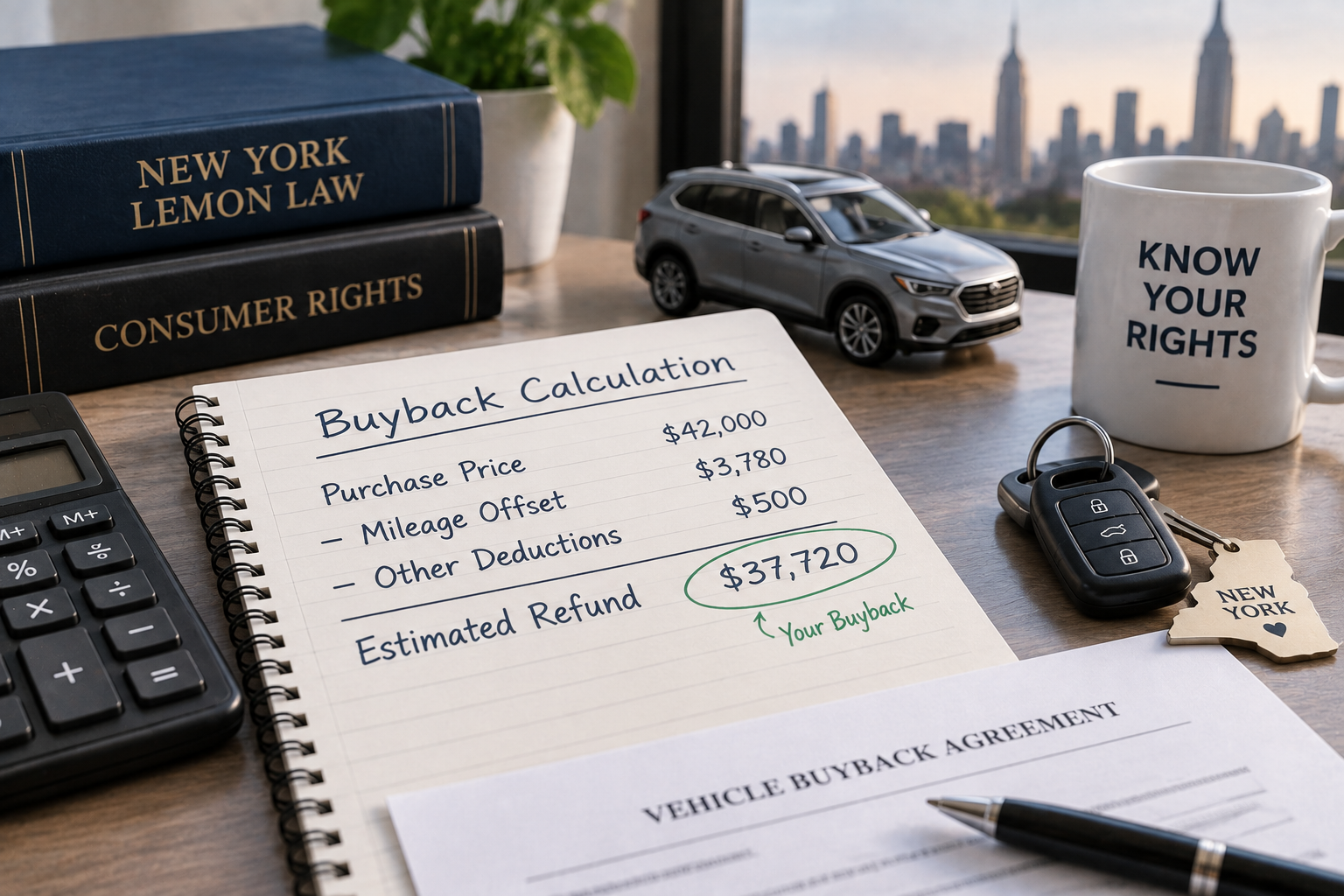
NY Lemon Law Refund Calculation: How the Buyback Math Works
NY Lemon Law Refund Calculation: How the Buyback Math Works Your new car has been back at the dealer four…
-

CT Private Car Sale Laws: What Buyers Can Still Claim
CT Private Car Sale Laws: What Buyers Can Still Claim You found the car in an online listing, met the…
-
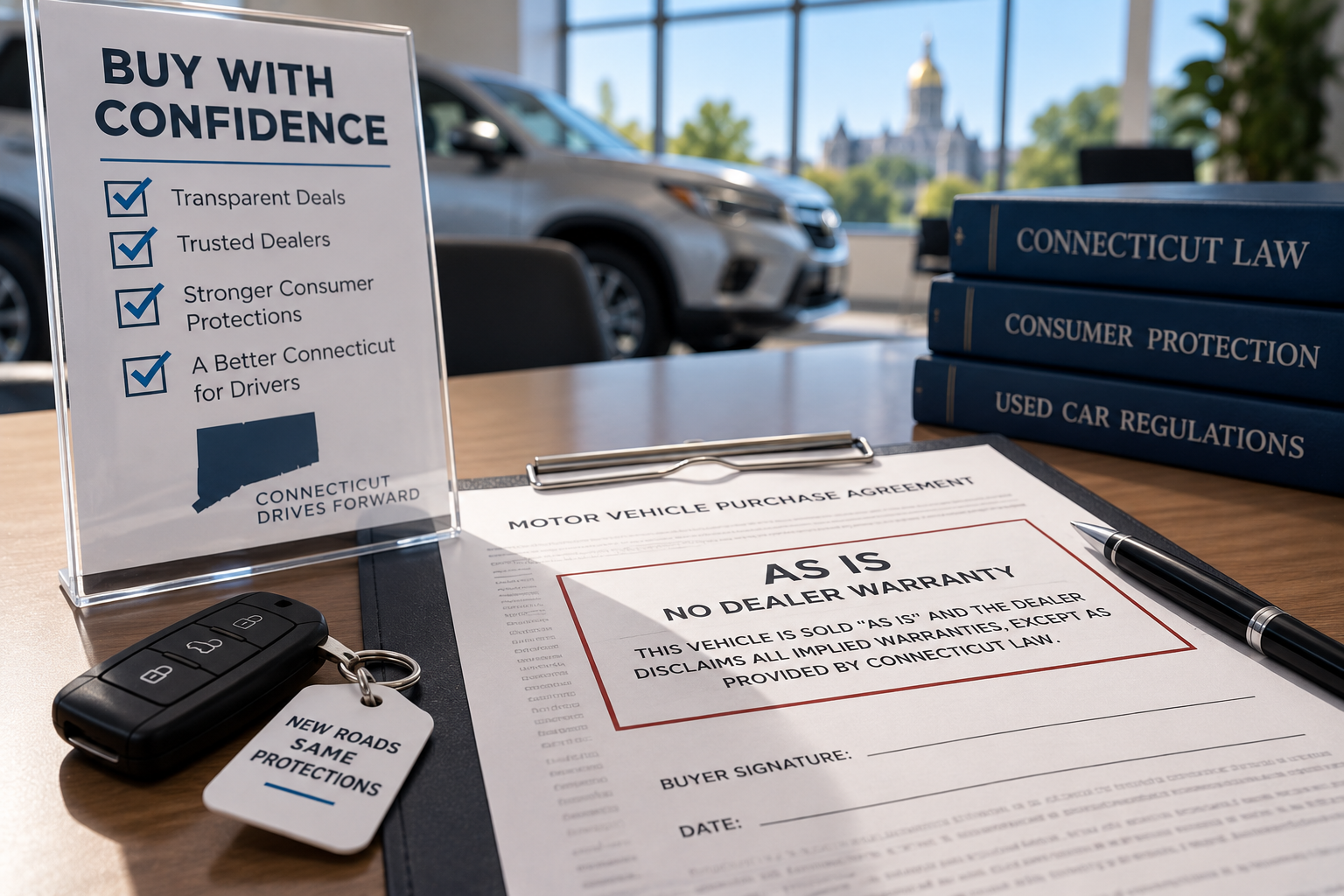
CT Used Car As Is Sales Rules, as of October 1, 2026
CT Used Car As Is Sales Rules, as of October 1, 2026 You’re standing at a dealership in Connecticut and…
-
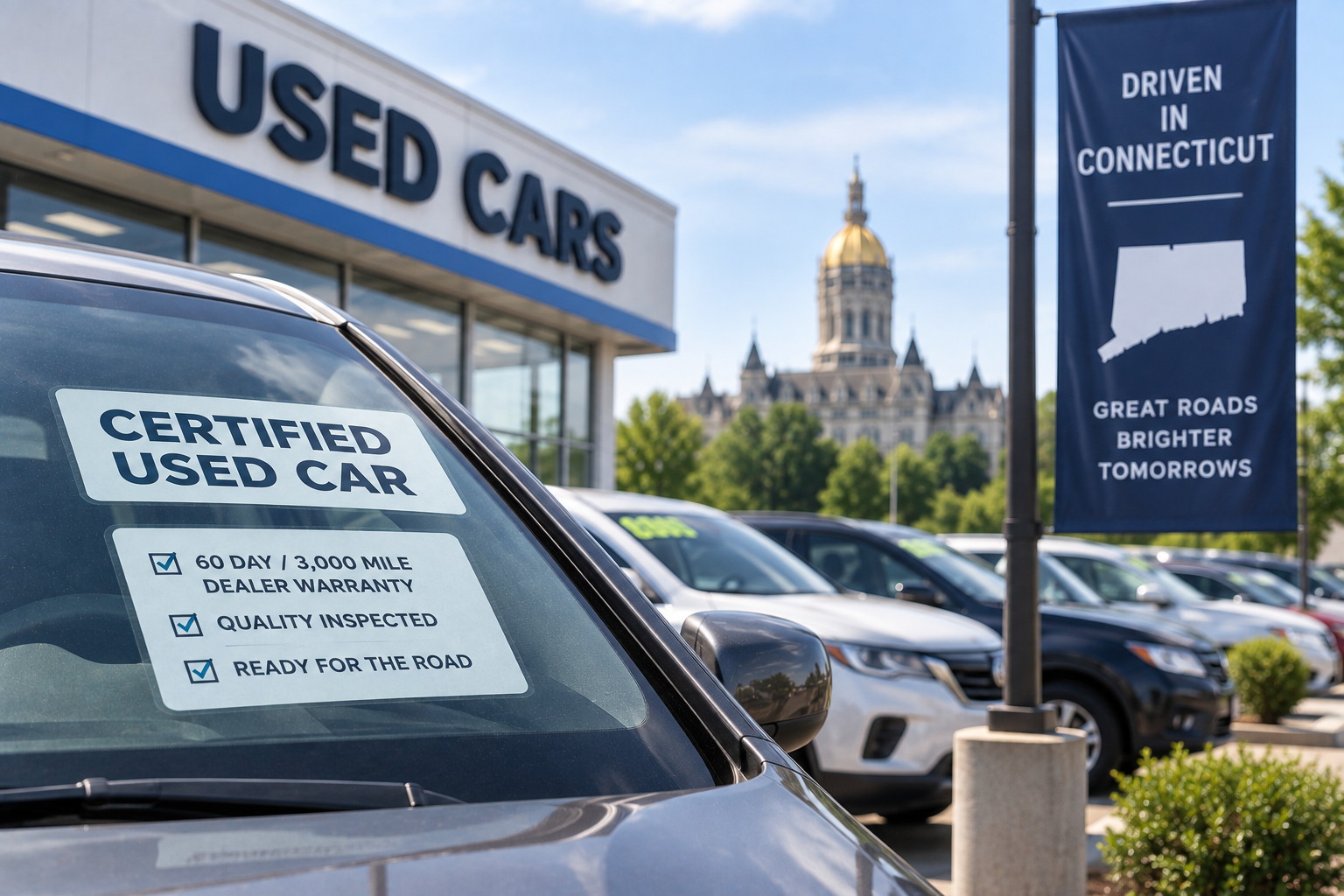
CT Lemon Law Used Car Rules Changed October 1, 2026
CT Lemon Law Used Car Rules Changed October 1, 2026 You bought a used car in Connecticut. Two weeks later…
-
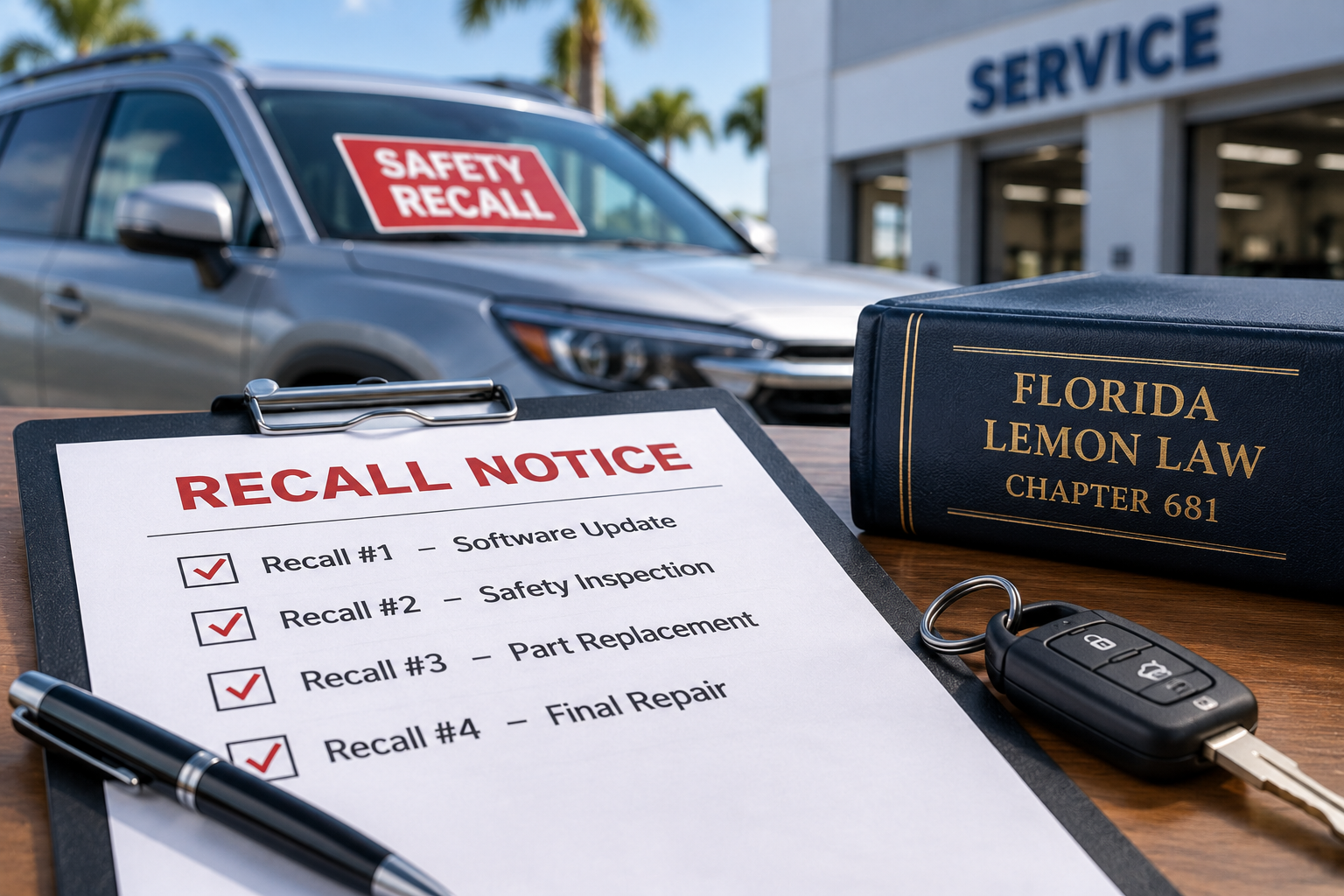
How Many Recalls Before Lemon Law Applies in Florida?
How Many Recalls Before Lemon Law Applies in Florida? You open the mailbox and find another recall notice for your…
-
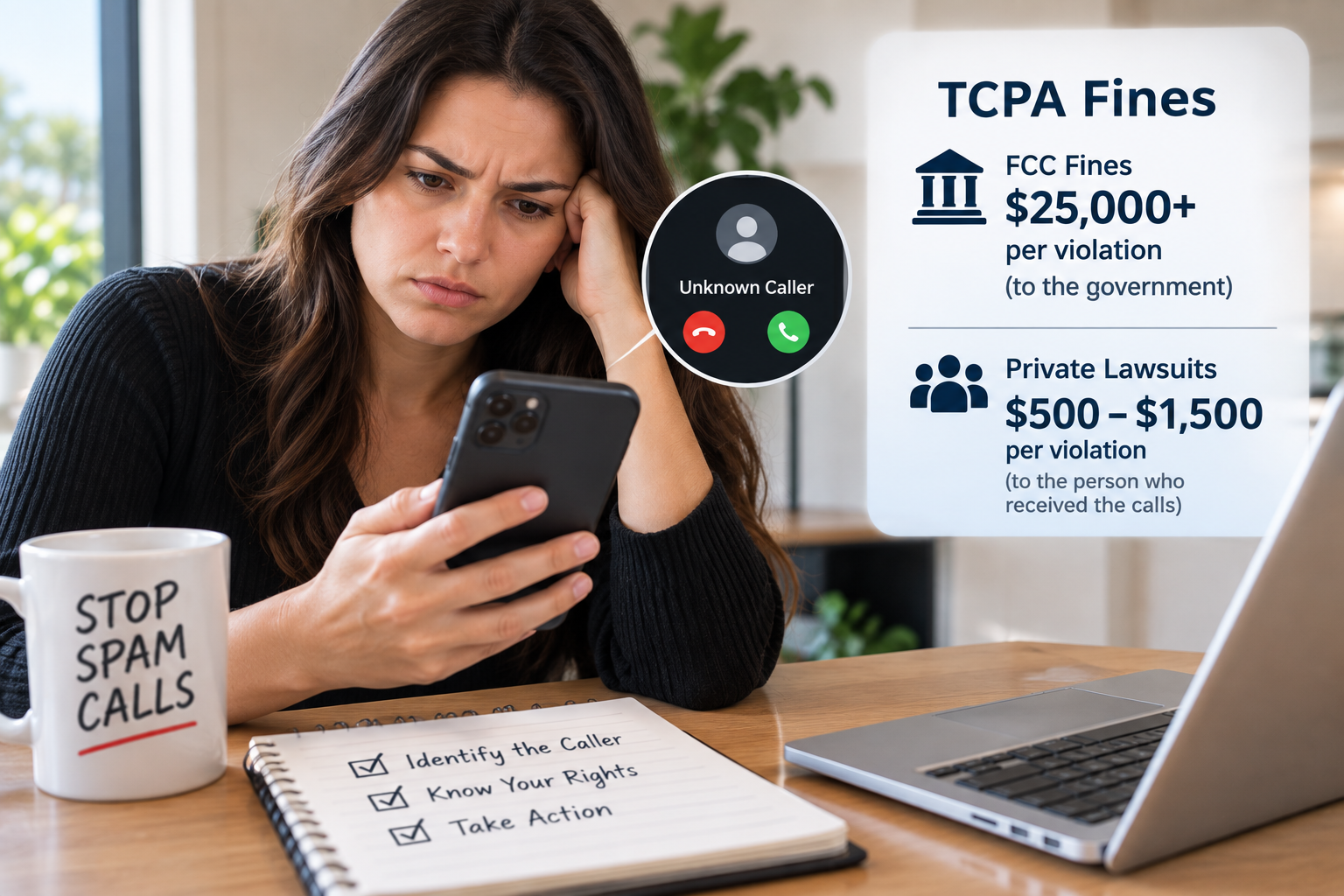
TCPA Fines Per Call: How Violations Get Counted
TCPA Fines Per Call: How Violations Get Counted You’ve probably seen headlines about a robocall company hit with a nine-figure…
-
Is There a 30-Day Lemon Law in Florida? The Real Rule
Is There a 30-Day Lemon Law in Florida? The Real Rule People search “is there a 30-day lemon law in…
-
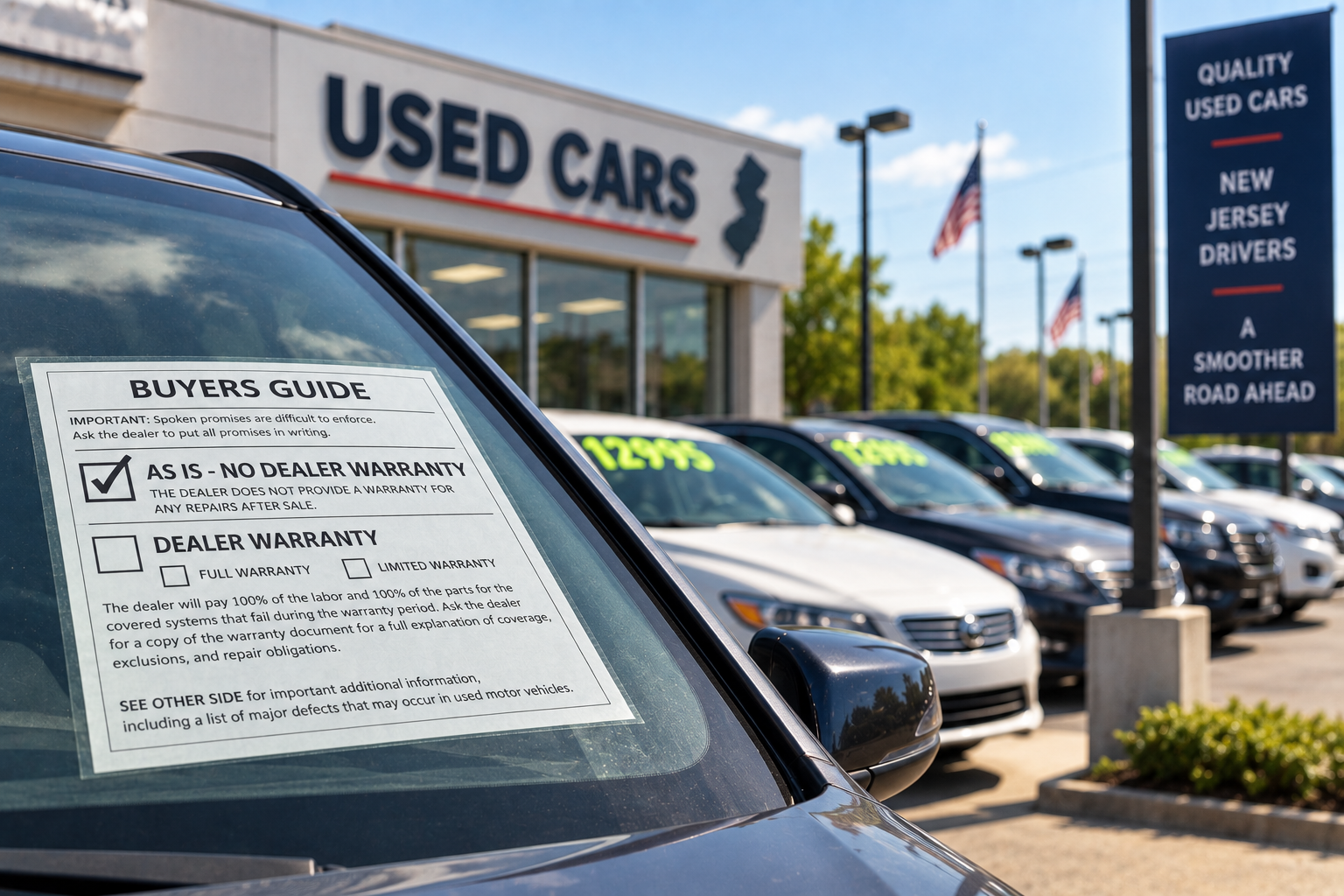
New Jersey Used Car Lemon Law: Do Used Cars Actually Qualify
NJ Used Car Lemon Law: Do Used Cars Actually Qualify? If you bought a used car in New Jersey and…
-
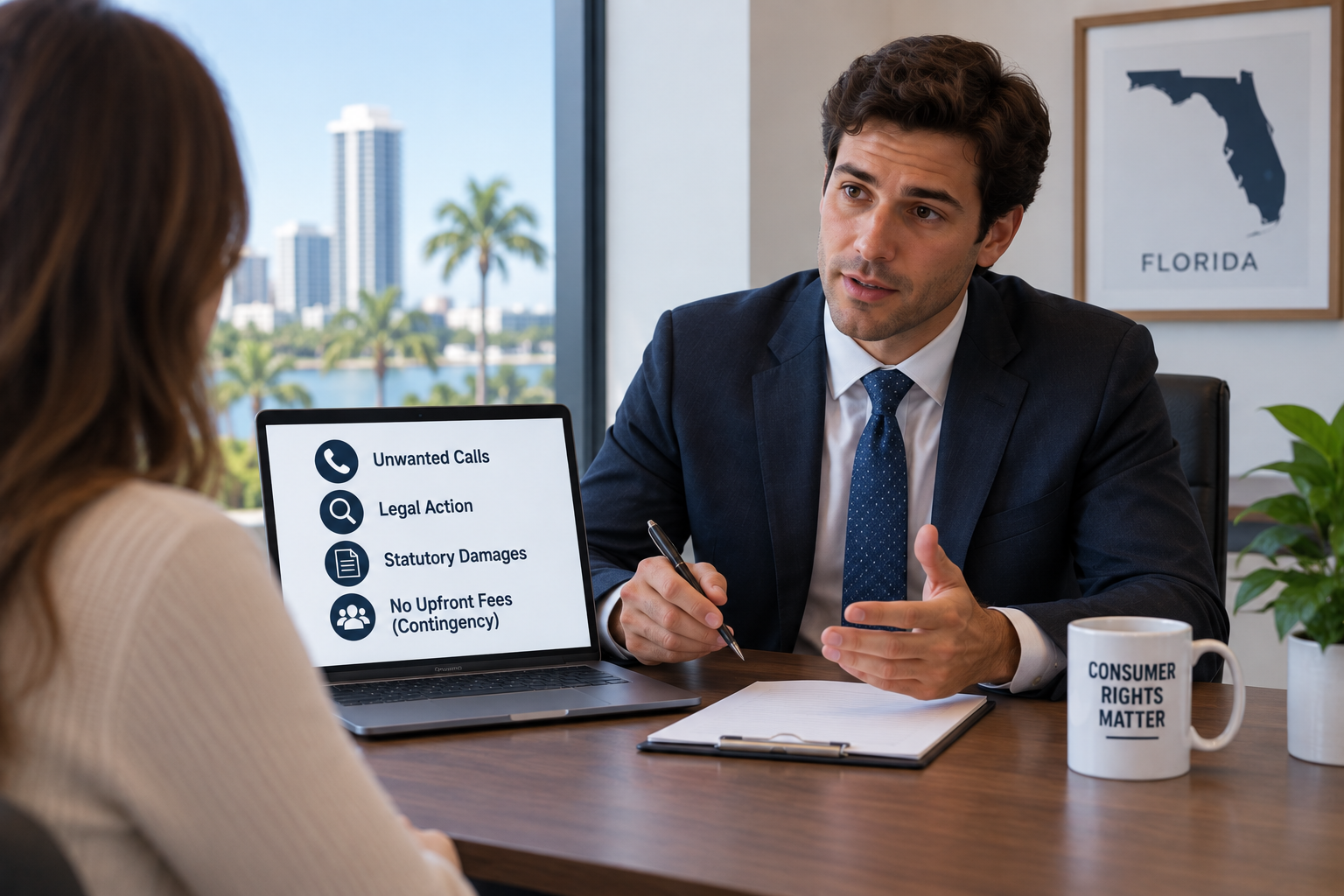
What Does a TCPA Lawyer Do in Florida? How These Cases Get Paid For
What Does a TCPA Lawyer Do in Florida? How These Cases Get Paid For Your phone buzzes at 7 a.m.…
-

New York Lemon Law Attorney Fees: Who Pays the Lawyer?
New York Lemon Law Attorney Fees: Who Pays the Lawyer? Your car has been in the shop four times for…
-
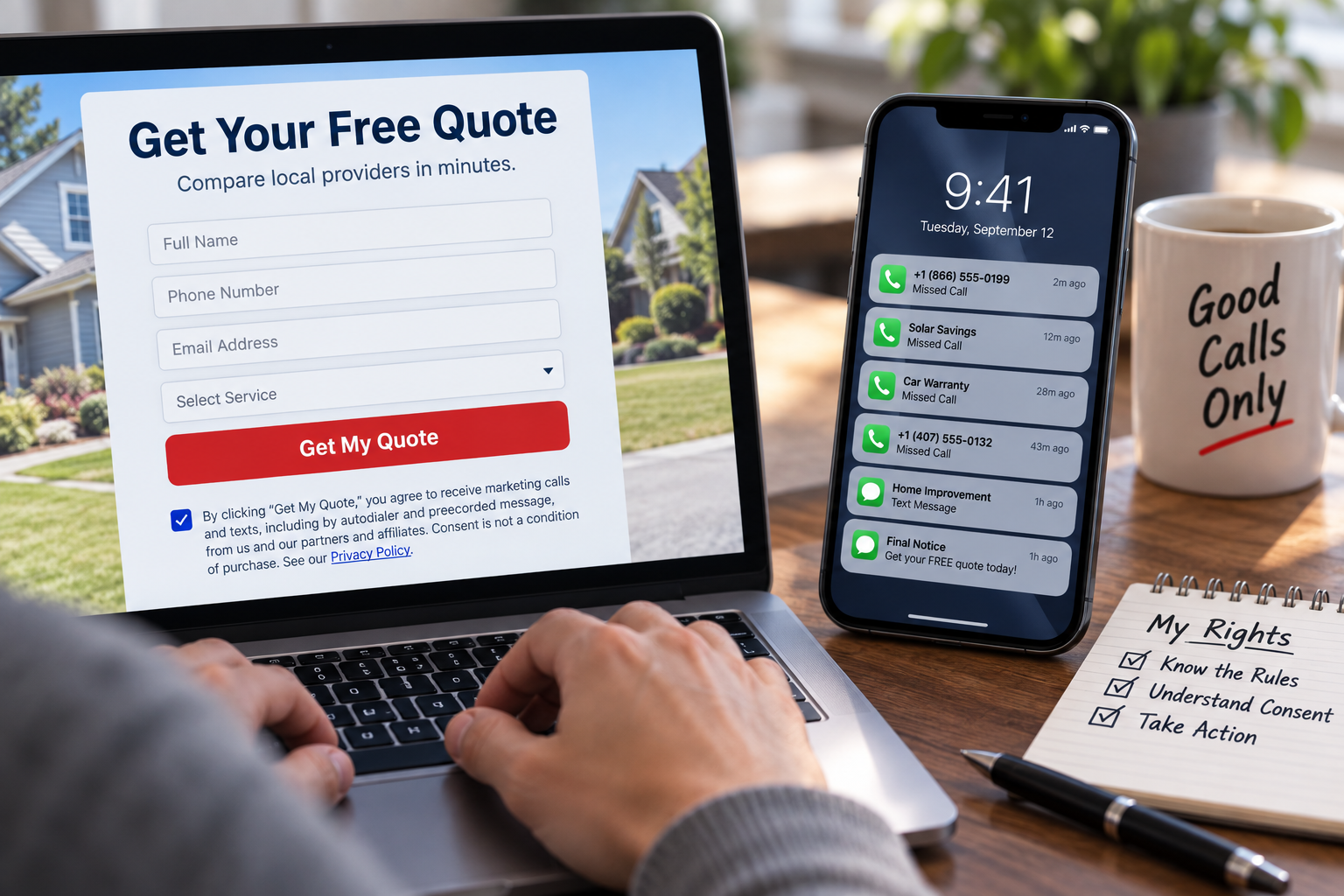
TCPA Consent: What Counts as Permission to Call or Text
TCPA Consent: What Counts as Permission to Call or Text You type your cell number into a free quote form,…
-
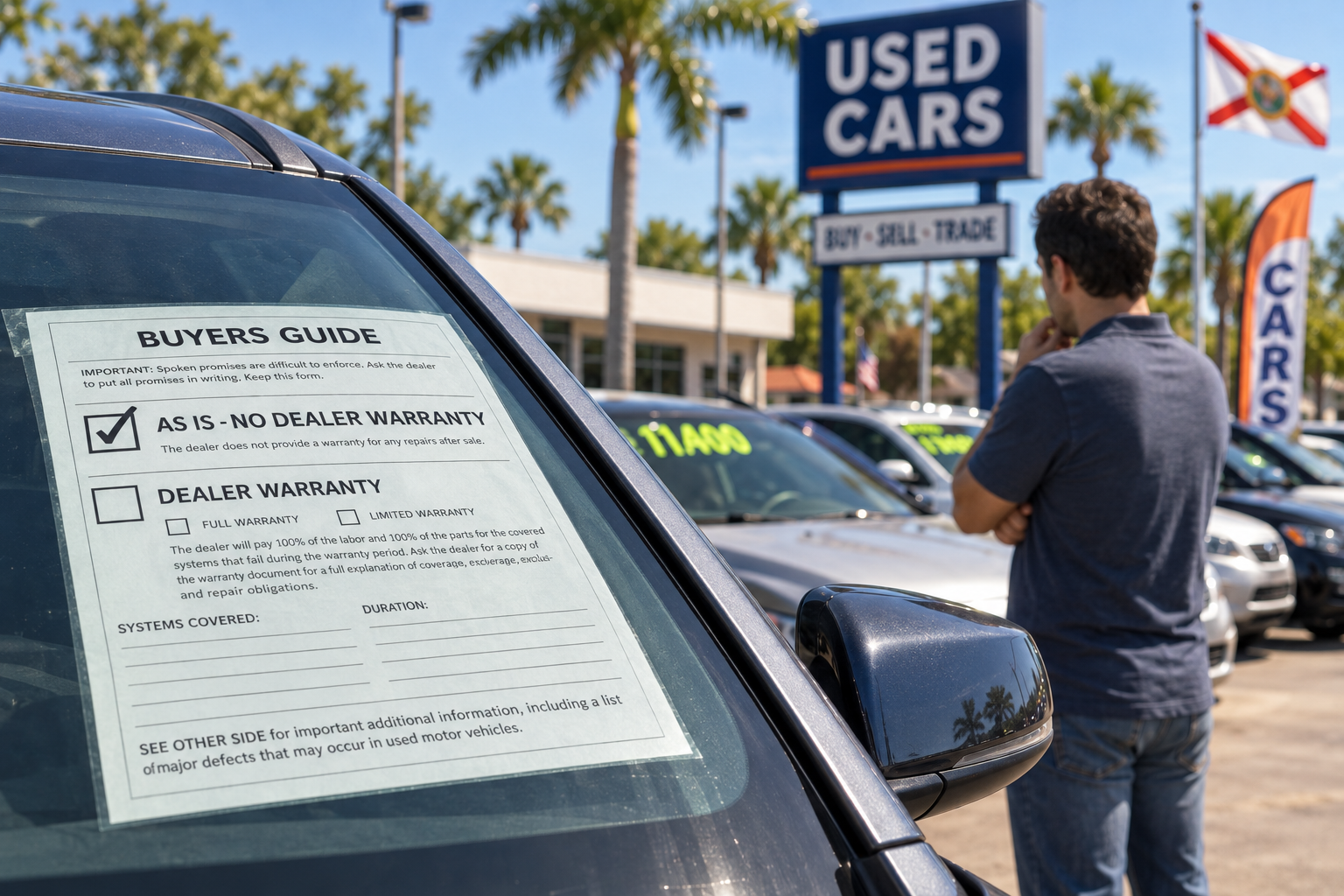
Does Lemon Law Apply to Used Cars with No Warranty in Florida?
Does the Lemon Law Apply to Used Cars With No Warranty in Florida? Say Marcus buys a 2019 Nissan Altima…
-
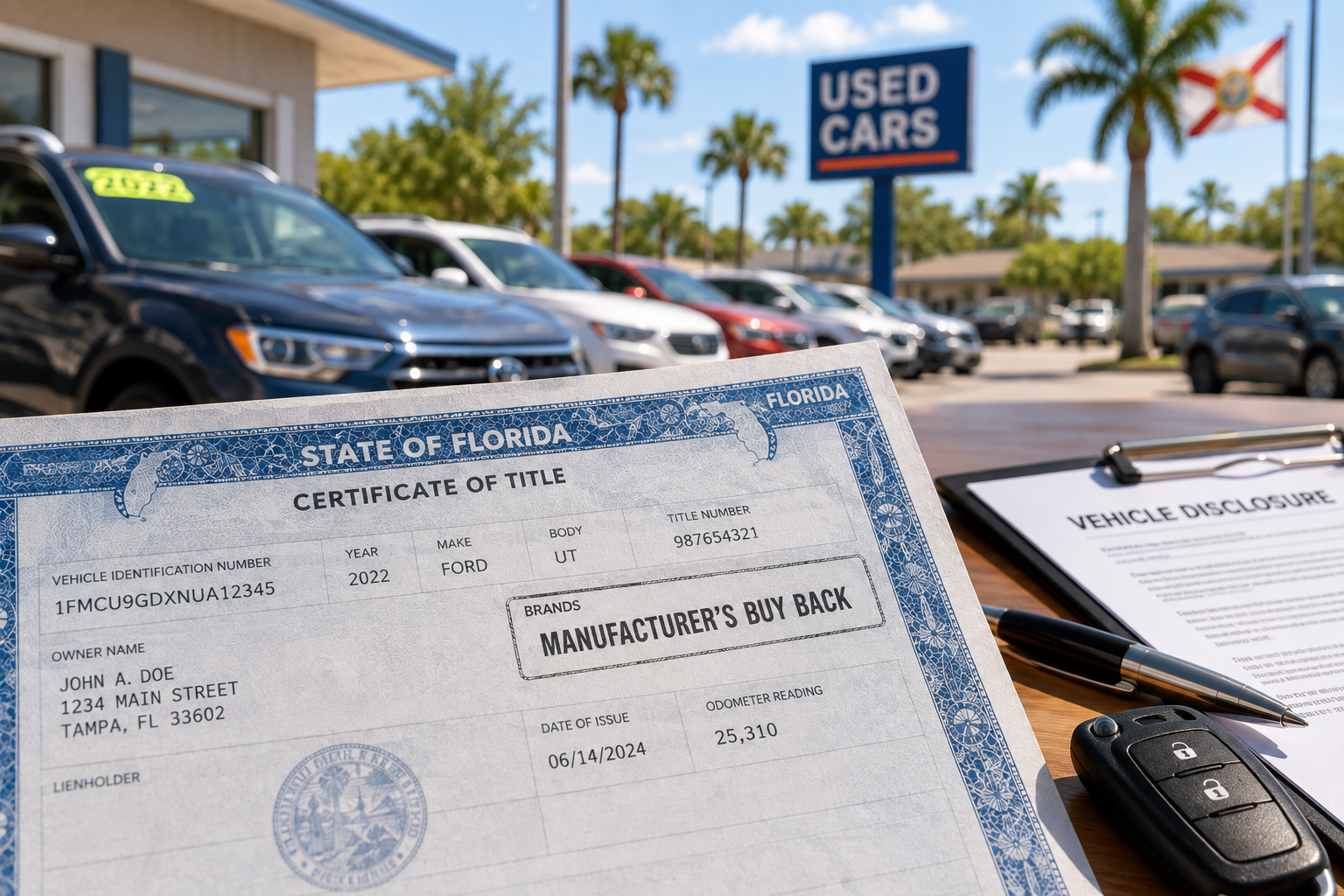
Lemon Title Meaning: What It Is and How Florida Handles It
Lemon Title Meaning: What It Is and How Florida Handles It You are scrolling used car listings and one of…
-

Lucid Air Fire Recall and the New Jersey Lemon Law
Lucid Air Fire Recall and the New Jersey Lemon Law Lucid is recalling 27,185 Air sedans because a software problem…
-
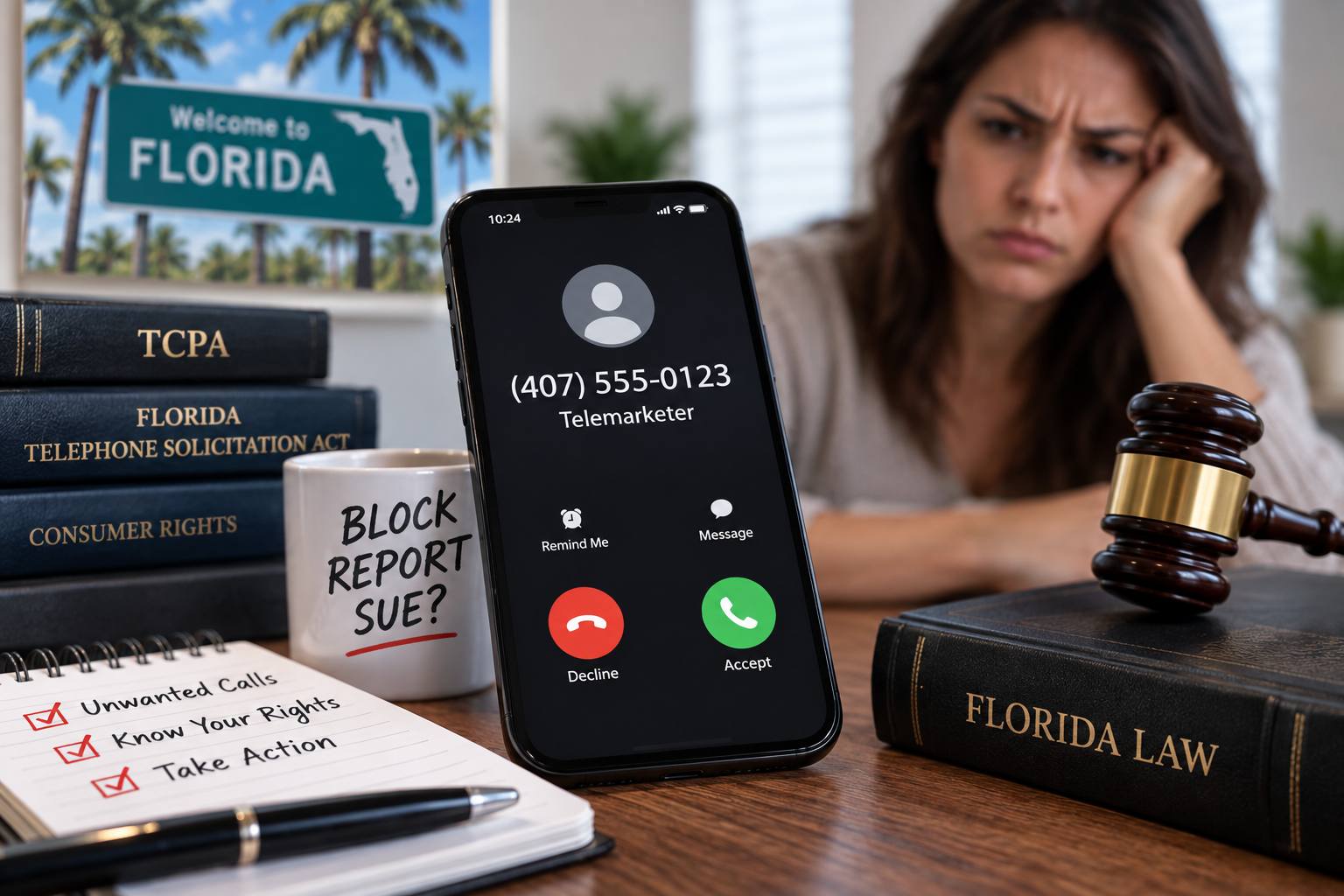
Can You Sue a Telemarketer in Florida? How the Law Actually Works
Can You Sue a Telemarketer in Florida? How the Law Actually Works Your phone rings four times before lunch. Two…
-
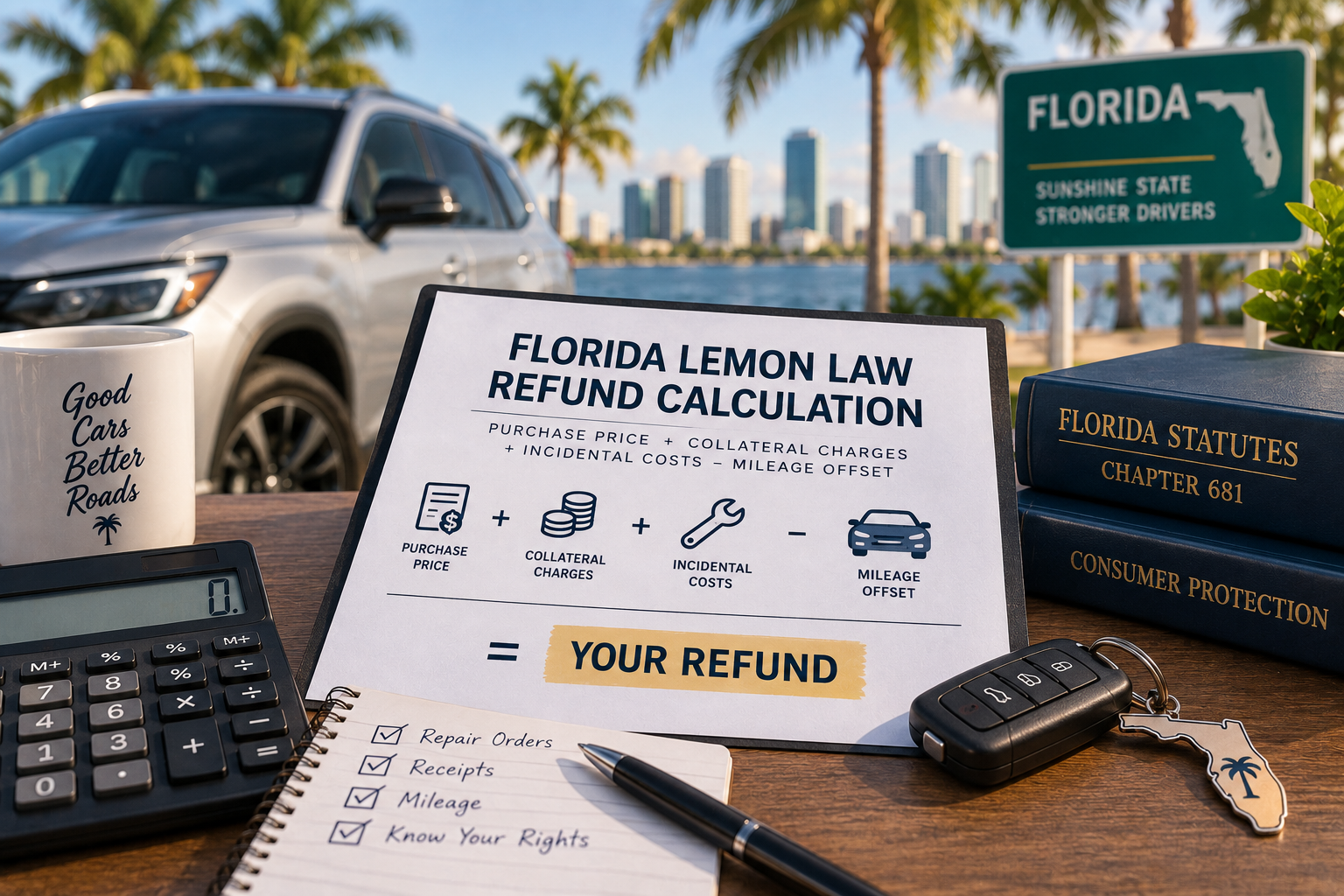
Florida Lemon Law Refund Calculation: How Payouts Work
Florida Lemon Law Refund Calculation: How Payouts Work Most people who look up the Florida lemon law refund calculation want…
-
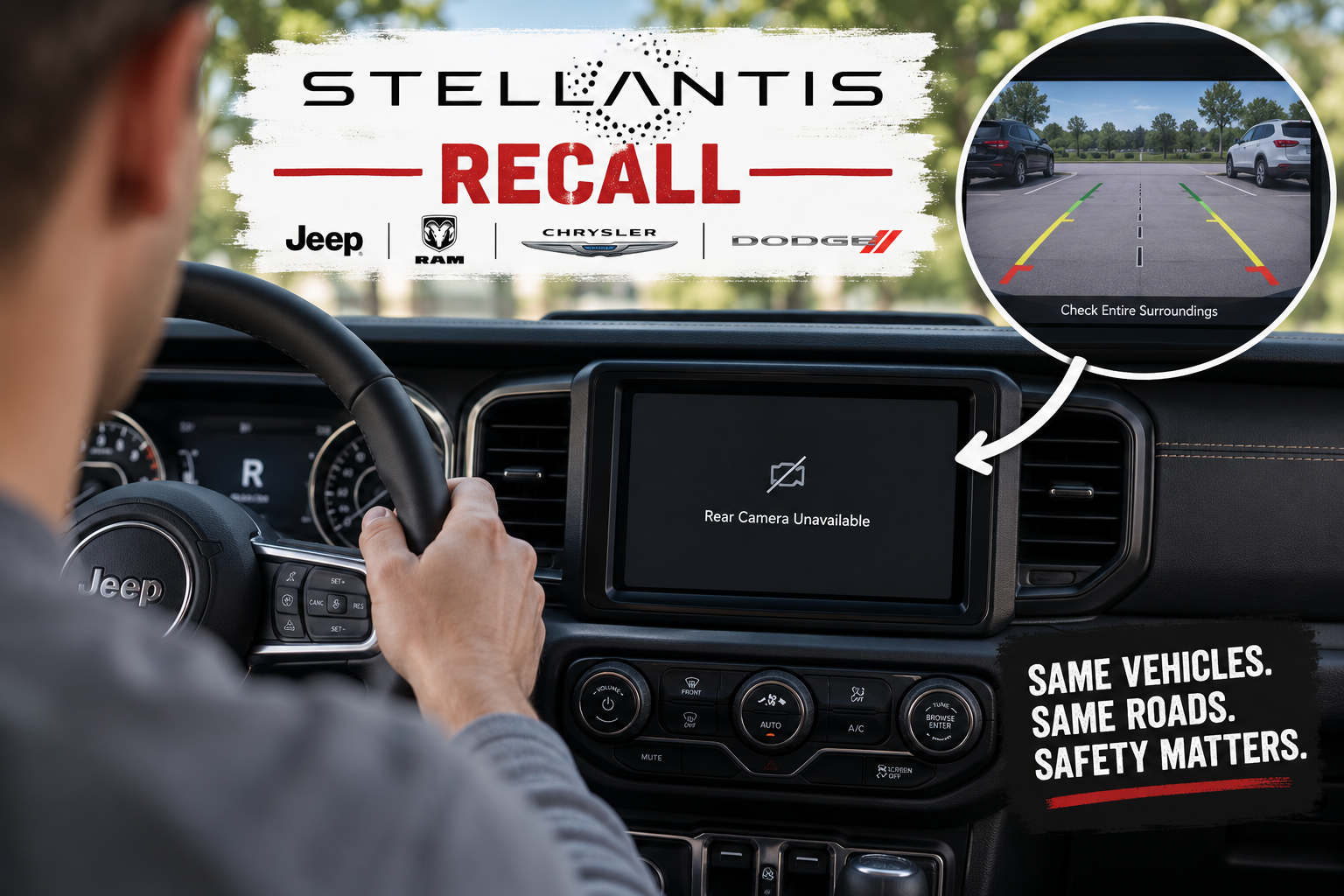
Florida Lemon Law and the Stellantis Backup Camera Recall
Florida Lemon Law and the Stellantis Backup Camera Recall You shift your brand new Jeep into reverse and the screen…
-
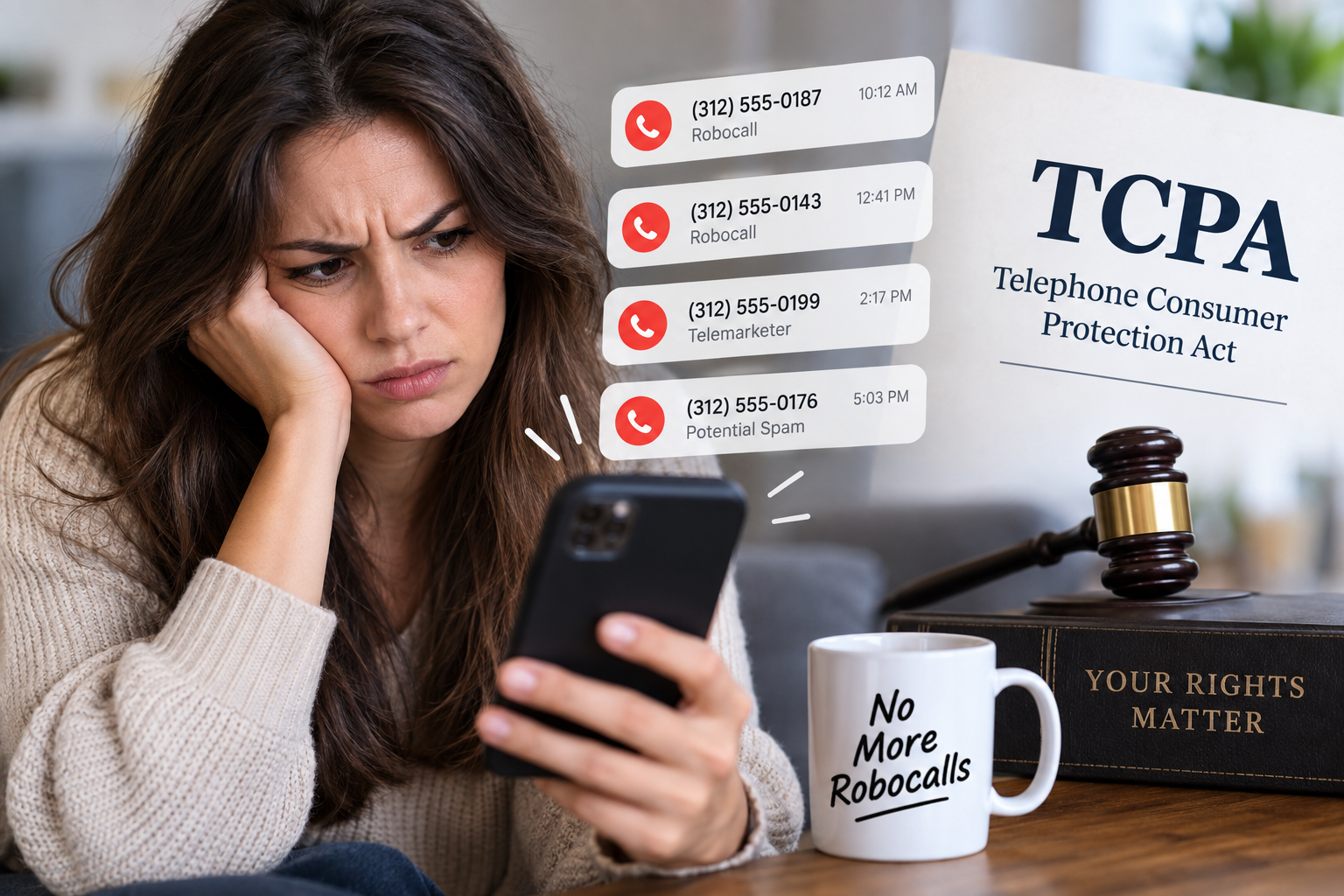
What Is the TCPA? A Plain-English Guide to the Telephone Consumer Protection Act
What Is the TCPA? A Plain-English Guide to the Telephone Consumer Protection Act Your phone buzzes for the fourth time…
-
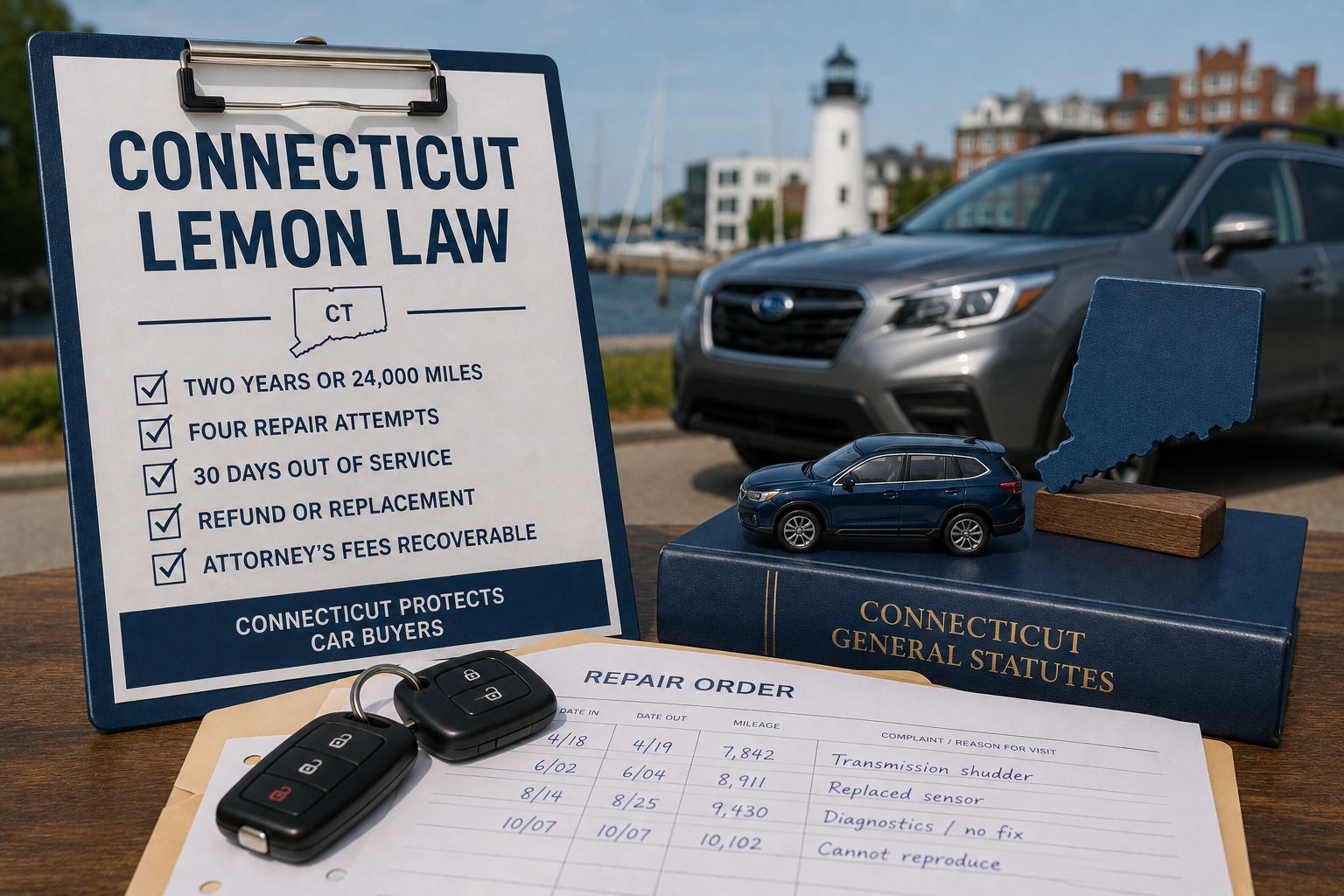
A Complete Guide for Connecticut Lemon Law
Connecticut Lemon Law: A Complete Guide for CT Drivers You bought a new car. Maybe an SUV for the family,…
-
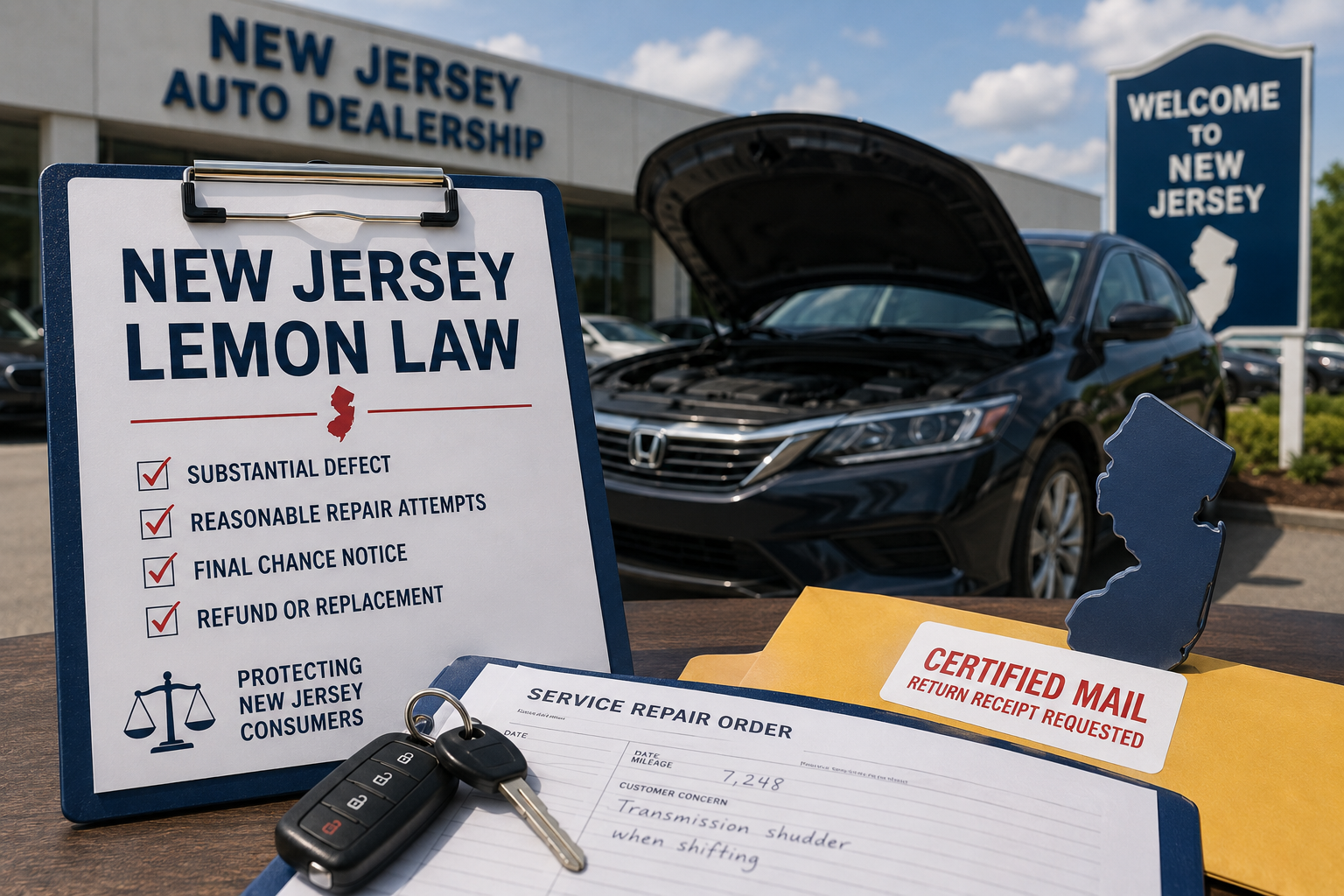
New Jersey Lemon Law: The Complete 2026 Guide for New Jersey Consumers
If you bought or leased a car in New Jersey and the same problem keeps coming back no matter how…
-
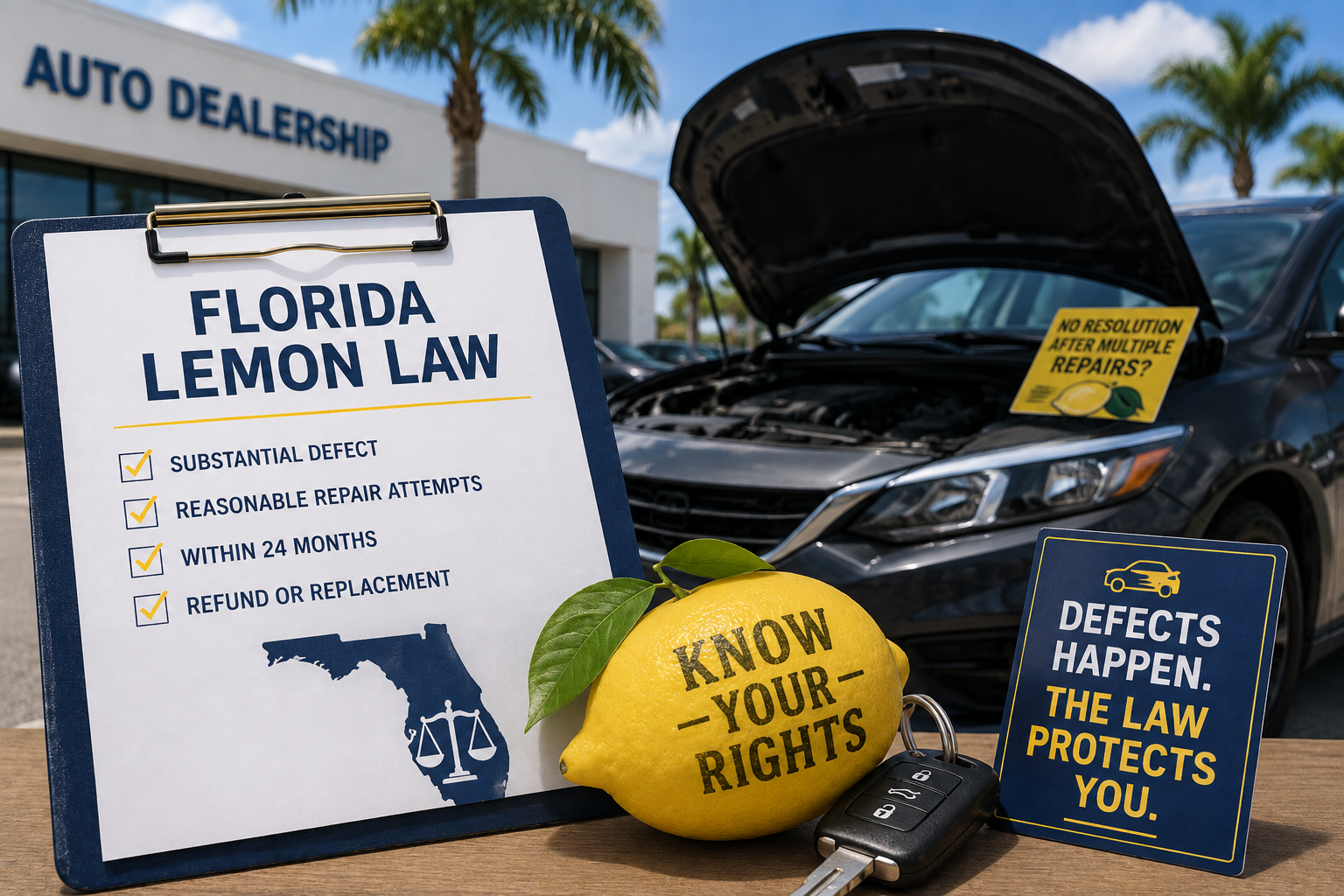
Florida Lemon Law: A Plain-English Guide to Your Rights
Florida Lemon Law: Your Plain-English Guide to Rights, Deadlines, and Refunds You bought a new car in Florida. Maybe it’s…
-

New York Lemon Law: The Complete Guide for Car Buyers (2026)
New York Lemon Law: The Complete Guide for Car Buyers You bought what was supposed to be a reliable car.…
-
TCPA Test
Hello, this is a post for the TCPa portion of Tiger Legal Blog.
-
Test Lemon Law Post
Most Read
Guides for each area are on the way.
Know your rights, one email at a time.
Plain-language explainers on consumer protection law, straight to your inbox each week.